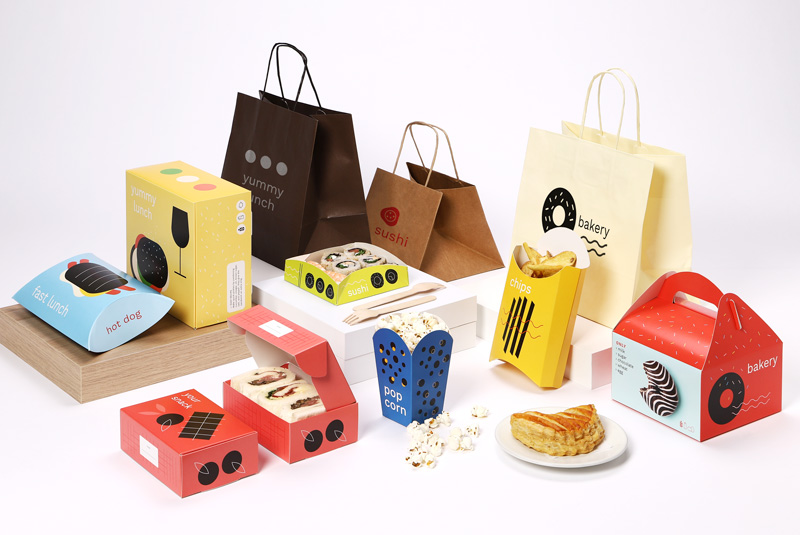
Food packaging printing plays a crucial role in the modern food industry, shaping not only how products are presented but also how they are perceived by consumers. In today’s competitive market, packaging is no longer just a protective layer; it has evolved into a powerful communication tool that conveys brand identity, product information, and quality assurance 食品包裝印刷. From vibrant colors to clear labeling, food packaging printing influences purchasing decisions and builds trust between brands and customers.
The primary function of food packaging is to protect products from contamination, damage, and spoilage. However, printing adds another dimension by providing essential information such as ingredients, nutritional values, expiration dates, and storage instructions. This information is vital for consumers who want to make informed choices about what they eat. Clear and accurate printing ensures transparency and helps build confidence in the product.
One of the most important aspects of food packaging printing is branding. Packaging serves as the first point of contact between a product and a potential customer. A well-designed package with high-quality printing can immediately attract attention on store shelves. Colors, fonts, logos, and images all work together to create a strong visual identity. Consistent branding across packaging helps customers recognize and remember a product, increasing the likelihood of repeat purchases.
Advancements in printing technology have significantly improved the quality and efficiency of food packaging printing. Modern techniques such as digital printing, flexography, and gravure printing allow for high-resolution images, precise color matching, and faster production times. These technologies enable manufacturers to produce large quantities of packaging without compromising quality. They also allow for customization, making it easier for brands to create unique designs for different products or promotional campaigns.
Sustainability has become a major focus in the packaging industry, and food packaging printing is no exception. Consumers are increasingly concerned about environmental impact, leading companies to adopt eco-friendly materials and printing methods. Water-based inks, recyclable materials, and biodegradable packaging are becoming more common. Sustainable printing practices not only reduce environmental harm but also enhance brand reputation, as consumers prefer companies that prioritize environmental responsibility.
Another key factor in food packaging printing is compliance with regulations. Governments and health organizations have strict guidelines regarding what information must be included on food packaging. This includes allergen warnings, nutritional facts, and ingredient lists. Accurate printing ensures that products meet these legal requirements and avoid potential penalties. Compliance also protects consumers by providing them with the information they need to avoid health risks.
Food packaging printing also plays a role in product differentiation. In a crowded marketplace, similar products compete for consumer attention. Unique and creative packaging designs can set a product apart from competitors. Special finishes such as embossing, matte or glossy coatings, and metallic inks can enhance visual appeal and create a premium look. These elements make packaging more attractive and memorable, helping brands stand out.
The rise of e-commerce has further increased the importance of food packaging printing. Products sold online rely heavily on packaging to create a positive first impression when they reach customers. Unlike physical stores, where customers can see products before purchasing, online shoppers experience the product only after delivery. High-quality printed packaging enhances the unboxing experience and reinforces brand value.
Technology has also introduced smart packaging solutions that integrate printing with digital features. QR codes, barcodes, and augmented reality elements can be printed on packaging to provide additional information or interactive experiences. Consumers can scan these codes to learn more about the product, access recipes, or verify authenticity. This combination of traditional printing and digital innovation adds value and enhances customer engagement.
Quality control is an essential part of food packaging printing. Poor printing can lead to mislabeling, unclear information, or unattractive designs, which can negatively impact a brand’s reputation. Manufacturers must ensure that printing processes are consistent and accurate. Regular inspections and testing help maintain high standards and ensure that every package meets quality requirements.
Another important consideration is the choice of materials used in packaging. Different types of food require different packaging solutions, and printing must be compatible with these materials. For example, flexible packaging, glass containers, and cardboard boxes each require specific printing techniques. Choosing the right combination of materials and printing methods ensures durability, readability, and overall effectiveness.
Food packaging printing also supports marketing and promotional strategies. Seasonal designs, limited-edition packaging, and promotional messages can be printed to attract attention and boost sales. These campaigns create excitement and encourage customers to try new products. Creative printing allows brands to adapt quickly to market trends and consumer preferences.
Cost efficiency is another factor that influences food packaging printing decisions. While high-quality printing is important, companies must also manage production costs. Advances in technology have made it possible to achieve excellent results at lower costs, especially with digital printing methods. Efficient production processes help companies maintain profitability while delivering visually appealing packaging.
Consumer behavior is closely linked to packaging design and printing quality. Studies show that many purchasing decisions are made based on visual appeal. Attractive packaging can create a perception of higher quality and influence customer preferences. Food packaging printing, therefore, plays a direct role in driving sales and building brand loyalty.
In conclusion, food packaging printing is a vital component of the food industry that goes beyond aesthetics. It combines functionality, safety, branding, and innovation to create packaging that meets both consumer and regulatory requirements. As technology continues to evolve and sustainability becomes more important, the future of food packaging printing will focus on smarter, greener, and more engaging solutions. By investing in high-quality printing and thoughtful design, brands can enhance their visibility, build trust, and succeed in an increasingly competitive market.