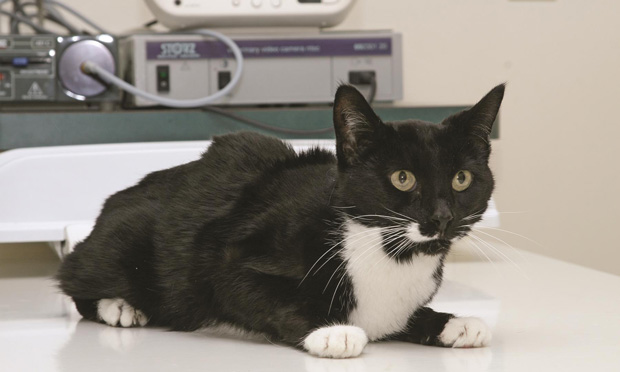
Feline Kidney Failure, also known as chronic kidney disease (CKD), is one of the most common health concerns affecting domestic cats, particularly as they age. This condition occurs when the kidneys gradually lose their ability to filter waste products from the blood, leading to the accumulation of toxins and imbalances in the body. Early recognition and proper management are essential, as feline kidney failure can significantly impact a cat’s quality of life and, if left untreated, may be life-threatening.
The kidneys play a crucial role in maintaining overall health by filtering waste, balancing electrolytes, and regulating fluid levels 貓腎衰竭. In cats, kidney failure can develop slowly over months or years, often without obvious symptoms in the early stages. This makes regular veterinary checkups and diagnostic testing important, especially for older cats or those with predisposing conditions such as high blood pressure, urinary tract issues, or a family history of kidney disease.
Early signs of feline kidney failure can be subtle. Cats may exhibit increased thirst and urination, a loss of appetite, weight loss, or mild lethargy. Owners may notice that their cat is drinking more water than usual or urinating outside the litter box due to frequent urination. Vomiting, diarrhea, and a dull coat are additional indicators that the kidneys may not be functioning properly. Because these symptoms are often mild or mistaken for normal aging, it is critical to monitor any changes in behavior or habits closely and consult a veterinarian promptly.
Diagnosis of feline kidney failure typically involves a combination of physical examination, blood tests, and urinalysis. Blood tests measure levels of creatinine, blood urea nitrogen (BUN), and other markers that indicate kidney function. Urinalysis helps assess the kidneys’ ability to concentrate urine and identify signs of protein loss or infection. In some cases, imaging studies such as ultrasound or X-rays may be recommended to examine kidney size, structure, and detect any underlying abnormalities. Early diagnosis allows for timely intervention, which can slow disease progression and improve the cat’s quality of life.
Management of feline kidney failure requires a comprehensive approach, including dietary modifications, medications, and regular monitoring. Nutrition plays a central role, as specialized diets formulated for kidney support can reduce the workload on the kidneys and help maintain electrolyte balance. These diets often have reduced protein and phosphorus content while providing essential vitamins and minerals. Encouraging adequate water intake is also critical, as hydration helps the kidneys flush toxins more effectively.
Medications may be prescribed to manage symptoms and complications associated with kidney failure. For instance, phosphate binders can help control elevated phosphorus levels, while antihypertensive drugs may be necessary for cats with high blood pressure. In cases where anemia develops due to reduced production of erythropoietin, veterinary guidance may include treatments to stimulate red blood cell production. Additionally, anti-nausea medications and appetite stimulants can improve a cat’s comfort and willingness to eat, which is vital for maintaining strength and body weight.
Monitoring and regular veterinary care are essential for cats with kidney failure. Routine blood and urine tests allow veterinarians to track disease progression and adjust treatment plans accordingly. Regular weight checks, hydration assessments, and observation of behavior help owners detect changes that may indicate worsening kidney function. In advanced cases, more intensive interventions such as subcutaneous fluid therapy or hospitalization for supportive care may be necessary to maintain hydration and overall health.
Understanding the potential causes of feline kidney failure can help in prevention and early detection. While some cats develop CKD due to age related degeneration, others may experience kidney damage from infections, toxins, or congenital abnormalities. Exposure to certain medications or environmental toxins can also contribute to kidney problems. Preventive measures, including providing a safe environment, avoiding exposure to harmful substances, and scheduling routine veterinary visits, can reduce the risk and improve outcomes for at-risk cats.
Quality of life is a central concern for cats diagnosed with kidney failure. While the condition is chronic and cannot be completely cured, many cats can live comfortable, fulfilling lives with appropriate management. Owners play a crucial role by maintaining consistent care routines, ensuring access to fresh water, preparing prescribed diets, and administering medications as directed. Creating a calm, stress-free environment also supports overall well-being and helps cats cope with the challenges of chronic illness.
Emerging treatments and research continue to advance the understanding of feline kidney failure. Studies on regenerative therapies, novel medications, and early diagnostic markers aim to improve outcomes and slow disease progression. Veterinary professionals increasingly emphasize proactive care, personalized treatment plans, and the integration of holistic approaches to support kidney function and overall health. Pet owners who stay informed about these developments can work closely with their veterinarians to implement the best strategies for their cats.
Education and awareness are key factors in improving the prognosis for cats with kidney failure. Recognizing early signs, seeking prompt veterinary care, and adhering to treatment plans can make a significant difference in disease management. Support groups and resources for cat owners also provide valuable guidance on feeding strategies, hydration techniques, and coping with the emotional challenges of caring for a chronically ill pet.
In conclusion, Feline Kidney Failure is a complex and progressive condition that requires careful attention, proactive management, and close collaboration between pet owners and veterinarians. By understanding the importance of early detection, implementing dietary and medical interventions, and prioritizing quality of life, many cats can continue to thrive despite the challenges of kidney failure. Ongoing research, preventive care, and informed management strategies offer hope for cats and their owners, ensuring that even in the face of chronic illness, comfort, health, and happiness remain achievable goals.

